
You know the feeling. One month the phone won’t stop. The next month you’re staring at the schedule, wondering where the next solid job is coming from.
That’s not a work ethic problem.
It’s not because your crew isn’t good. It’s not because people don’t need your service. And it’s usually not because your town doesn’t know who you are.
It’s because buyers who need you in the next town over never see you when they search to find local contractors. They hire the company Google puts in front of them first.
The Feast or Famine Cycle You Can’t Escape
A lot of contractors run on referrals, repeat customers, and whatever comes in. That works until it doesn’t.
A builder sends you a few jobs. A past customer calls back. A friend of a friend needs work done. Then it slows down, and now you’re back to guessing. You start taking smaller jobs you don’t really want because the calendar has holes in it.

That cycle wears people out. Not because they’re lazy. Because there’s no system behind the work coming in.
Word of mouth feels safe until it dries up
Referrals are good. Keep them.
But referrals are not control. They’re leftovers from past visibility. They depend on other people deciding to talk about you at the right time to the right person in the right town.
That’s not a pipeline. That’s luck.
You can be busy and still have a lead problem. Busy with the wrong jobs is still a lead problem.
A lot of owners know this but don’t want to say it out loud. They’re booked, but with patchwork work. Too many small jobs. Too many price shoppers. Too much driving. Not enough bigger jobs that move the business forward.
Getting burned makes contractors shut down
Then they try marketing.
An agency sells a shiny website. Someone promises rankings. Somebody else runs ads for a while and sends junk. Money goes out. Nothing changes. Now every new marketing pitch sounds like the last bad one.
That reaction makes sense.
If that’s where you are, read this breakdown on building a steady pipeline of jobs year round. The big issue usually isn’t effort. It’s that the business has no dependable way to create visibility when referrals slow down.
Here’s what that looks like in real life:
- Full schedule, weak margin: You stay busy, but the jobs are too small and too scattered.
- Dead weeks after busy weeks: A strong month hides the fact that the next month is thin.
- No clue where leads came from: One guy says he found you online. Another says a friend told him. Nobody tracks it, so nobody knows what’s working.
- Crews waiting: Work drops off, but the payroll doesn’t.
The feast or famine cycle is what happens when a business depends on chance instead of visibility.
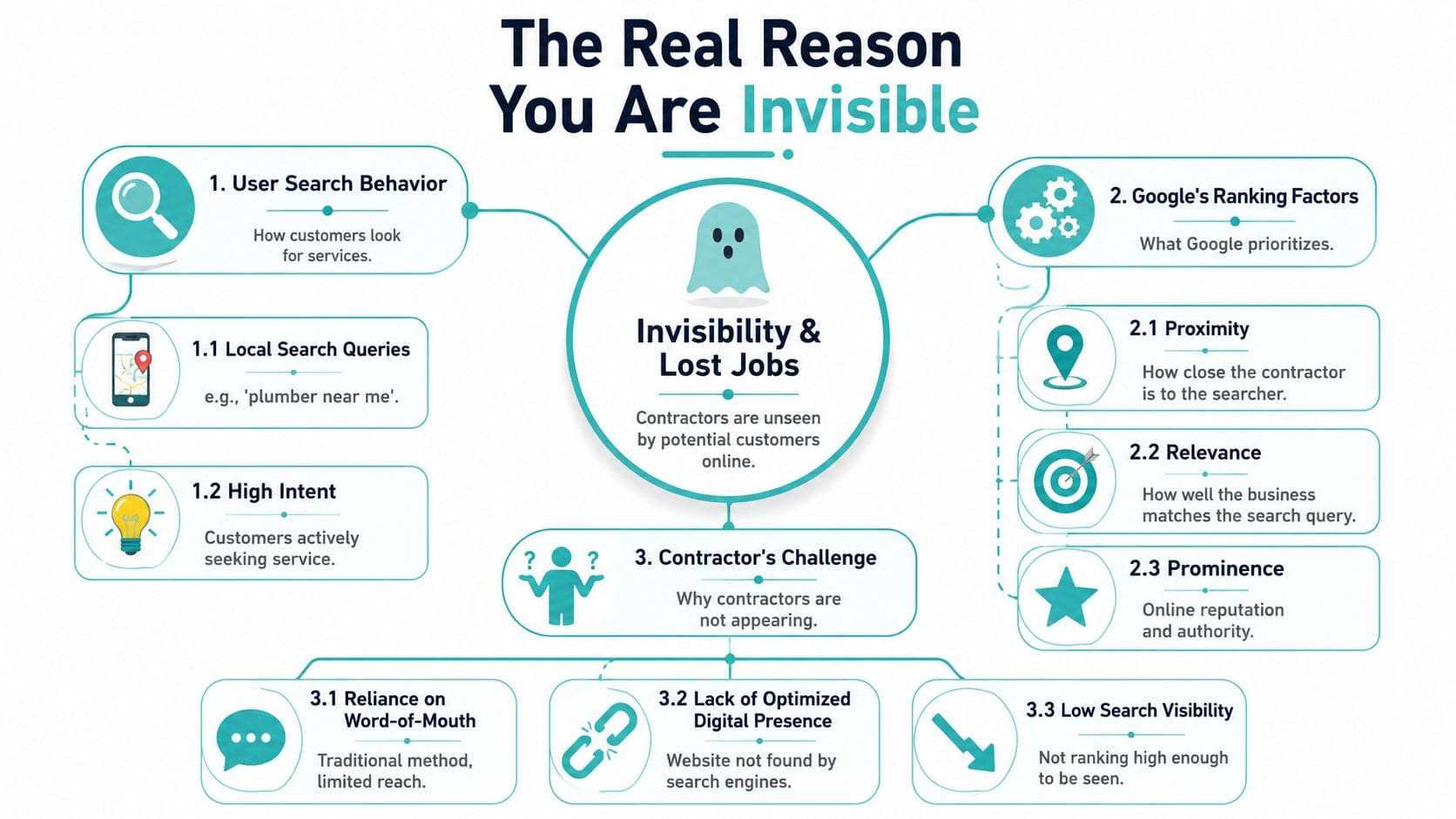
The Real Reason You Are Invisible and Losing Jobs
Most contractors think customers can find them.
That’s the wrong test.
The test is whether customers do find them when they search from the towns where they need more work.
Near me does not mean your town
When someone types “roofing contractor near me” or “excavation contractor near me,” Google reads that based on where the searcher is standing.
If they’re in your hometown, maybe you show up.
If they’re ten miles away in the next city, Google often turns that search into “roofing contractor in that city” or “excavation contractor in that city.” If your business only talks about your home base, your address, and your one main town, Google has no strong reason to connect you to the other places where you work.
That’s the visibility gap.
You do the work there. But online, you barely exist there.
Buyers search by service and place, not by your company name
People who already know your name can hunt you down.
That’s not the market you need to worry about.
The lost jobs are the ones from people who don’t know you yet. They search for what you do and where they need it done. If your company isn’t shown, you never get a shot at that job.
A contractor can be respected in his own town and still be invisible across most of his real service area.
Practical rule: If Google only connects you to one town, then your phone will mostly ring from one town.
This is why so many owners say, “We work all over,” while their lead flow says otherwise.
And this matters because search drives the first contact. Over 90% of consumers use search engines to find local home services, and 78% of local mobile searches result in an offline purchase, according to this contractor search behavior breakdown. If you’re not visible there, you’re not even in the running.
Visibility gets you in the door. Trust closes the job
Showing up is step one. Looking legitimate is step two.
A practical hiring workflow is to start with a directory or map shortlist, narrow it to about 7 likely choices, then verify documents like licensing, insurance, matching project examples, and even 2 to 3 years of financial statements before moving forward, based on this contractor screening workflow. That means buyers don’t just need to see you. They need reasons to trust you.
Once they do reach out, your paperwork still matters. Clean scopes, clear terms, and strong proposals help you look like a real operator, not another guess. If you want a simple outside resource on that part, SheetMergy has a useful piece on best practices for proposals.
If this feels uncomfortably familiar, this page on why contractors don’t get enough leads will sound like your business. The problem usually isn’t that demand is missing. It’s that Google is sending that demand somewhere else.
Your Website Is Not a Lead Generator
A website by itself does not create traffic.
It waits for traffic.
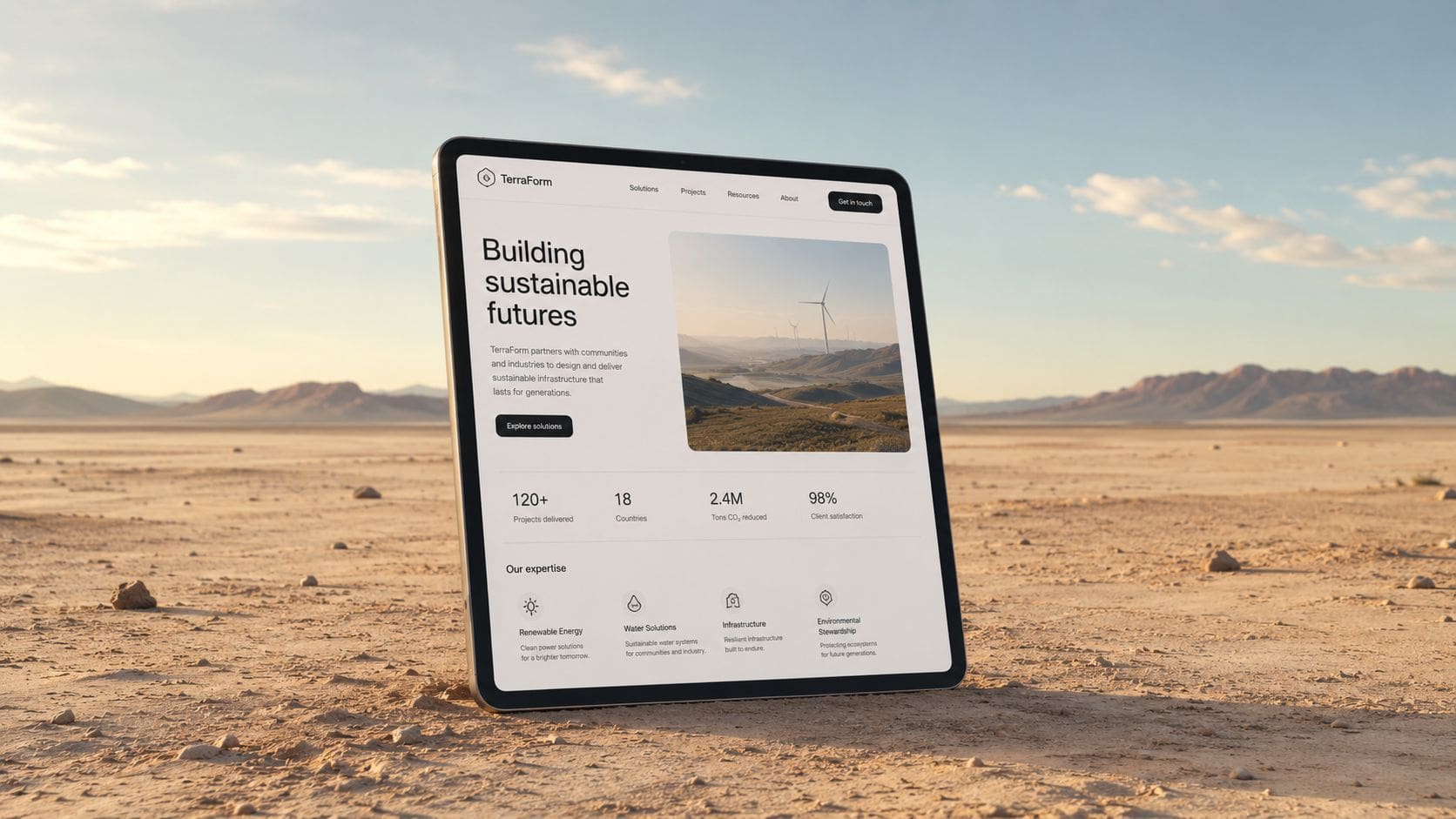
That’s the part a lot of contractors were never told. Someone sold them a site and acted like the phone would ring because the site exists. That’s like putting a billboard in the desert and wondering why nobody called.
Pretty websites don’t fix invisibility
Most contractor websites are digital brochures.
They have a homepage. A services page. A contact page. A few photos. Maybe some reviews. That’s not useless, but it doesn’t solve the core problem. It just sits there unless somebody already knows to look for it or gets pushed there.
A regular website tells people who you are.
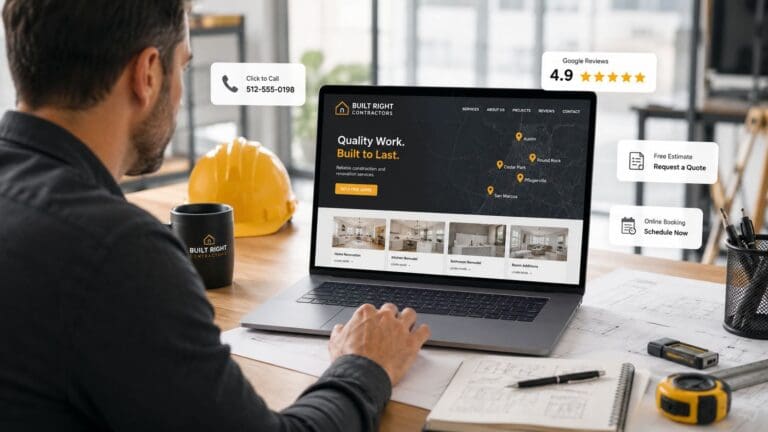
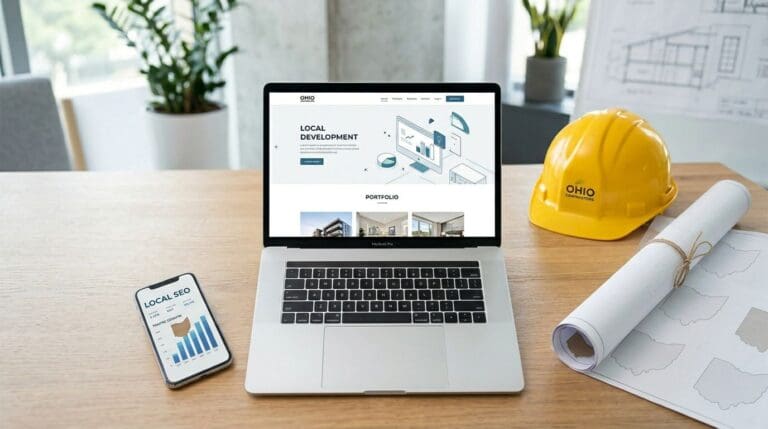
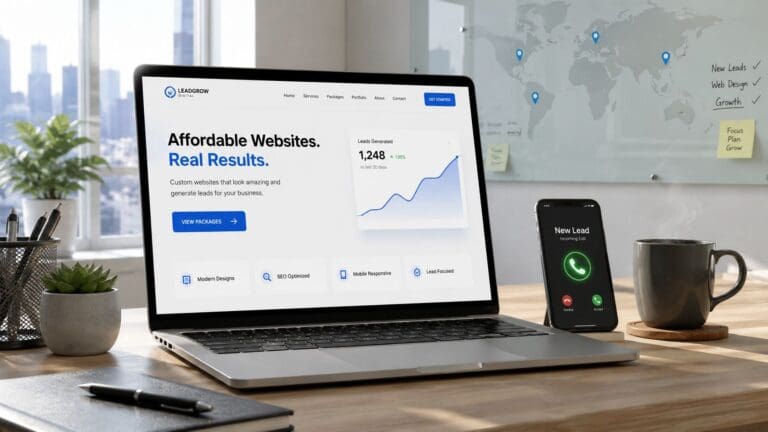
A Lead Machine is built for one job. Turn traffic into calls and quote requests.
That means the site has to be built around the way buyers search and the way they act when they land on a page.
Conversion matters after visibility
If you do get traffic and the site is weak, you waste the traffic.
That’s why ads alone don’t save bad websites either. Sending a buyer to a slow, vague, generic page is a fast way to burn money. The click happened. The lead did not.
Here’s the simple split:
| Website type | What it does |
|---|---|
| Regular website | Sits online and explains your business |
| Lead Machine | Takes traffic and pushes it toward calls and form fills |
A website is not the engine. It’s the place the engine sends people.
If you want a plain explanation of that difference, read lead generation website vs regular website for contractors.
There’s also a useful outside read from Pipeline On about turning website traffic into booked jobs. Different wording, same truth. Traffic without conversion gets you nothing.
So no, your website is not supposed to magically “generate” leads.
It’s supposed to catch the demand that visibility brings.
How Smart Contractors Buy Visibility and Control
The contractors who keep growing don’t sit around waiting for referrals to save them.
They buy visibility.
That’s not reckless. It’s normal business. The U.S. construction industry represents nearly $2 trillion in annual spending, with over 919,000 individual firms competing, according to this construction market snapshot. In a market that large, hoping people stumble across your company is a bad plan.
The system is simple
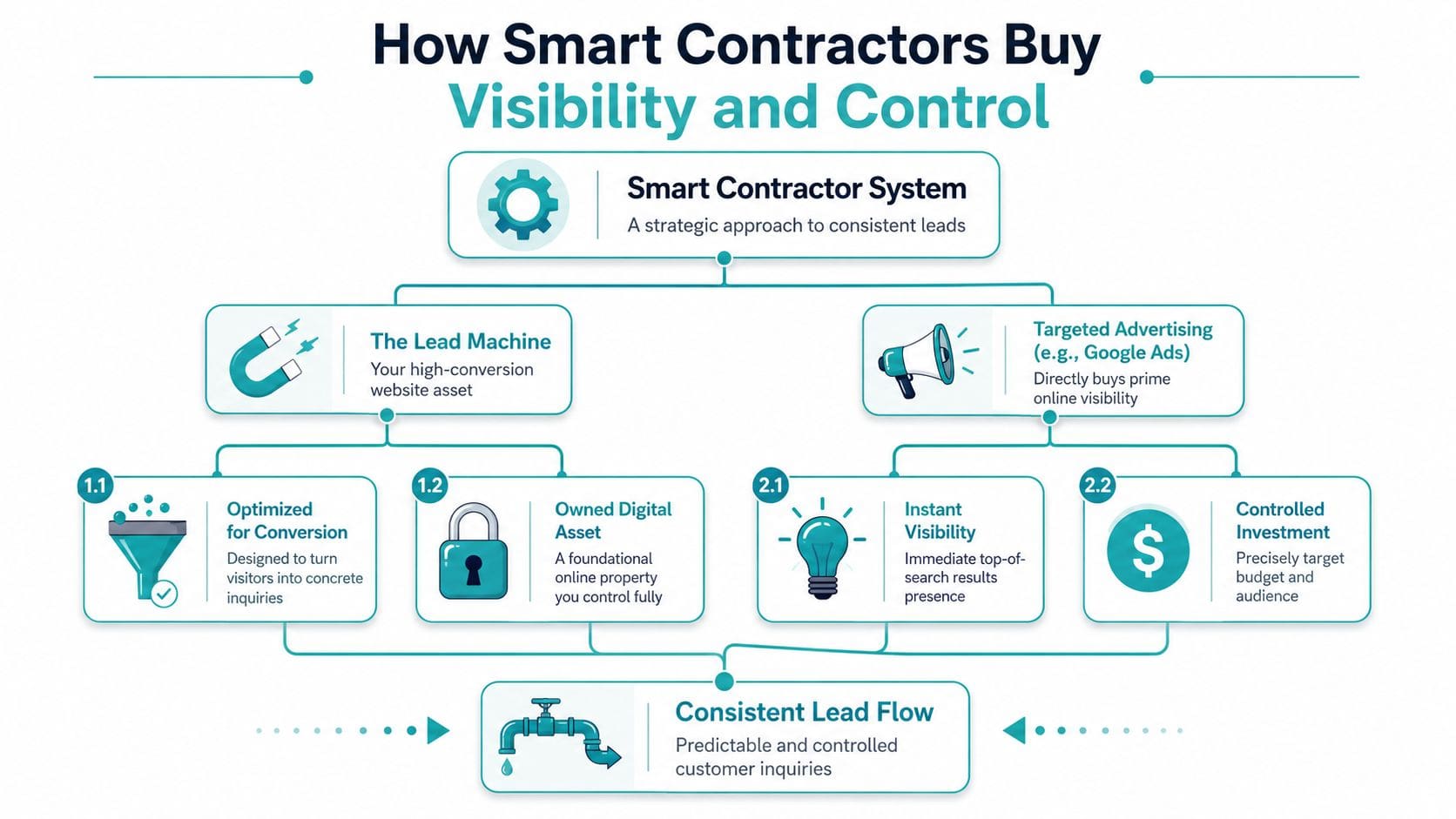
You need two parts.
First, the asset. A website built to cover the services you want and the cities you want. Not just your home address. Not just your office town.
Second, the fuel. Paid traffic that puts you in front of people who are searching right now.
That’s it.
Not magic. Not hustle. Not random posting online hoping somebody notices.
Why both parts matter
A site without traffic sits there.
Ads without a strong site waste money.
Together, they work like a machine.
- The website is the asset: It gives buyers a place to land, trust, and take action.
- The ads are the fuel: They create immediate visibility instead of waiting around.
- The city coverage matters: If you want work in nearby towns, your system has to be built for those towns.
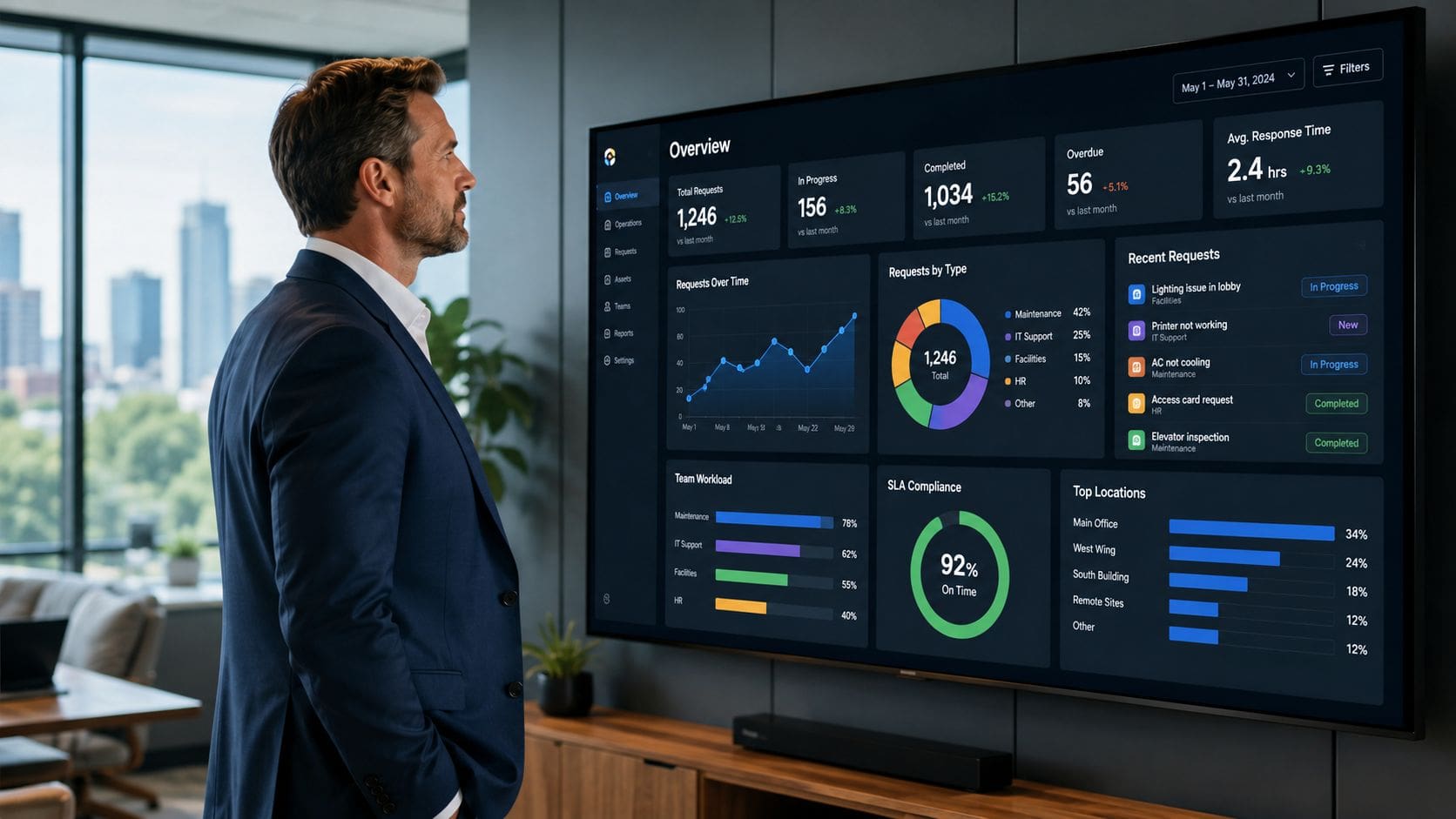
- The tracking matters: If calls and form fills aren’t being tracked, you’re back to guessing.
Some contractors need local coverage. Some need regional coverage across a wider service area. The structure should match the way the business works, not the way some generic agency package was built.
Smart contractors don’t ask whether marketing feels good. They ask whether it gives them more control.
The Cherubini Company offers one version of this with Google Ads for local services, paired with lead-focused contractor websites built around service and city coverage. That’s the right direction. Asset plus fuel.
If ad spend scares you, that’s usually because you’ve seen money thrown at the wrong setup. This outside guide to cutting ad costs is worth reading for that reason. Waste usually happens when traffic goes to the wrong offer, the wrong page, or the wrong area.
The big companies understand this already. They don’t wait to be discovered. They pay to be seen.
That’s why they keep showing up.
Stop Guessing and Start Building Your System
If your lead flow feels unstable, stop blaming the season, the economy, or your website alone.
The issue is that your visibility is not under control.
You can keep running the business on referrals, memory, and hope. A lot of contractors do. It works right up until it doesn’t, and then everybody scrambles.
Or you can build a system.
What control actually looks like
Control means your business is not depending on luck.
It means your company has a setup that helps buyers find local contractors in the cities you want. It means your site is built to turn that attention into calls. It means your traffic source is active instead of passive.
Here’s the short version:
- No system means fragile revenue: Slow weeks hit harder because nothing is feeding the pipeline.
- A working system gives options: Better leads let you be pickier about the jobs you take.
- Control lowers stress: You stop wondering where the next call is coming from.
If you want the plain definition, start with what a Lead Machine is.
This is the part that matters most.
You think that customers “can” find you but, if customers “don’t” find you, nothing else matters. Lead Machines are built to fix that.
If you’re tired of guessing, The Cherubini Company helps contractors fix the core problem, invisibility. They build Lead Machines that are made to show up in the cities you want work from, then pair them with ads that drive buyers to call. Straight setup. Clear tracking. No fluff.